
Here is something nobody tells you before your first hair bonding session. The result depends less on the bonding technique and more on the decisions you make before you even sit in the chair Mistakes to Avoid Before Getting Hair Bonding
I have seen people spend good money on a premium hair bonding service only to end up unhappy within two months. Not because the bonding was bad. Because they walked in without asking the right questions.
If you are thinking about hair bonding, give me five minutes. This could save you a few thousand rupees and a lot of frustration.
Table of Contents
ToggleIntroduction
Hair bonding has become one of the most popular non surgical hair replacement options in India right now. It is quick, it looks natural when done well, and you do not need to go through any surgery or long recovery.
But here is the catch. A lot of people jump into it without understanding what actually goes into a good bonding job. They pick based on price, or a random Instagram reel, or a friend’s referral without checking if that friend’s hair type even matches theirs.
In this guide, I am going to walk you through the five mistakes that most first timers make before getting hair bonding done. Some of these mistakes seem harmless at first. They are not.
By the end of this, you will know exactly what to check, what to ask your stylist, and what to avoid so your bonding actually lasts and looks natural.
Quick Answer Mistakes to Avoid Before Getting Hair Bonding
The biggest mistakes before hair bonding are skipping a proper scalp consultation, choosing the wrong hair patch density or base material, ignoring maintenance costs, going with the cheapest option available, and not checking the technician’s actual bonding experience. Each of these directly affects how natural and long lasting your bonding turns out.
What Is Hair Bonding?
Hair bonding is a non surgical hair replacement method where a hair patch or hair system is attached to your scalp using a special adhesive or bonding agent. Unlike hair transplant surgery, there is no cutting, no stitches, and no downtime Mistakes to Avoid Before Getting Hair Bonding
Think of it like this. Instead of growing new hair from your own follicles, you are wearing a custom made hair patch that blends with your existing hair. When it is done right, people genuinely cannot tell the difference.
For example, a lot of working professionals in Hyderabad and Vizag prefer bonding because they need results fast, maybe before a wedding, a job interview, or just to feel confident again without waiting months for a transplant to grow out.
Why Is It Important to Get This Right?
Your hair sits on your face. Everyone sees it every single day. A bad bonding job is not subtle. It shows in the hairline, in how the patch moves when you sweat, or in that slightly artificial shine under sunlight.
Get it right and nobody even suspects you are wearing a system. Get it wrong and you end up spending more money fixing it than you would have spent doing it properly the first time.
That is the real cost of these mistakes. It is not just money. It is confidence, and honestly, peace of mind.
The 5 Mistakes You Need to Avoid
Mistake 1: Skipping a Proper Scalp and Hair Consultation
What It Means
Many people book a bonding appointment directly without a real consultation. No scalp check, no discussion about hair loss pattern, nothing.
Why It Matters
Your scalp condition decides which bonding method and adhesive will actually work for you. Oily scalp, sensitive skin, or existing hair thinning around the patch area all change the approach a good stylist should take.
How To Do It Right
Ask for an in person consultation before booking. A good studio will check your scalp type, existing hair density, and hairline shape before recommending anything.
Example
A client walks in with an oily scalp and picks a bonding adhesive meant for dry scalp types. Within three weeks the edges start lifting. That is not a bonding failure. That is a consultation failure.
Pro Tip
If a place quotes you a price over a phone call without ever seeing your scalp, that is a red flag worth noticing.
Mistake 2: Choosing the Wrong Patch Density and Base Material
What It Means
Not all hair patches are the same. Density, base material like lace, poly, or mono, and hair type all affect how natural the final look is.
Why It Matters
A patch with the wrong density either looks too thick and fake or too thin and patchy. The base material also decides durability, breathability, and how long each bonding session lasts before you need touch ups.
How To Do It Right
Discuss density based on your natural hair, not just what looks nice in a sample. Ask which base suits your climate too, since humidity in coastal cities like Vizag behaves differently than drier inland areas.
Example
Someone picks a heavy density patch for a receding hairline. It ends up looking like a wig rather than natural hair growth. Matching density to your actual hair is what makes bonding invisible.
Pro Tip
Always ask to see actual patch samples in daylight, not just under studio lighting.
Mistake 3: Ignoring Long Term Maintenance and Costs
What It Means
People often think of bonding as a one time expense. It is not. Bonding requires regular maintenance, usually every three to four weeks, depending on your hair growth and lifestyle.
Why It Matters
Skipping maintenance visits leads to lifted edges, visible bonding lines, and a shorter lifespan for the patch itself. Ignoring this cost upfront leads to budget shocks later.
How To Do It Right
Before you commit, ask for the full maintenance schedule and monthly cost breakdown. A transparent studio will give you this without hesitation.
Example
A client budgets only for the first bonding session and skips two maintenance visits due to cost. The patch starts shifting and needs a complete redo, costing more than if maintenance had been done on time.
Pro Tip
Treat maintenance like a gym membership, not a one time purchase. Consistency is what keeps it looking natural.
Mistake 4: Choosing Based on Price Alone
What It Means
The cheapest bonding service is rarely the best one. Quality adhesives, proper hair patches, and skilled technicians all cost money to source and train.
Why It Matters
A discount price often means lower quality bonding material or an inexperienced technician handling your hairline. Both directly affect how natural and durable the result is.
How To Do It Right
Compare value, not just price. Look at technician experience, patch quality, and reviews from actual clients with similar hair types.
Example
A budget studio uses a cheaper adhesive that reacts with sweat in humid weather. Within a week, the edges peel off in patches, forcing an emergency redo at double the original cost.
Pro Tip
Ask the studio directly what brand of patch and adhesive they use. If they cannot answer clearly, that tells you something.
Mistake 5: Not Verifying the Technician’s Actual Experience
What It Means
Bonding is part art, part technique. A technician who has done ten bonding jobs is not the same as one who has done a thousand.
Why It Matters
Hairline design, patch placement, and blending with your natural hair require real hands on experience. A rushed or inexperienced job shows immediately, especially near the front hairline.
How To Do It Right
Ask to see before and after photos of real clients, not stock images. Ask how many years they have specifically worked on bonding, not just general hairdressing.
Example
Two studios quote similar prices. One technician has five years of dedicated bonding experience. The other mainly does haircuts and started bonding recently. The difference in blending quality is obvious within the first ten minutes of wearing it.
Pro Tip
A confident technician will happily show you real client results. Hesitation here usually means limited experience.
Best Practices Before Getting Hair Bonding
Here is what I tell every client before they book a bonding session.
- Get a proper scalp and hair consultation first, not a phone quote
- Ask specifically about patch density, base material, and adhesive brand
- Plan your monthly maintenance budget from day one
- Compare studios on quality and experience, not just price
- Check real client transformations, not just studio portfolio photos
- Ask how bonding behaves in your local climate, especially if you live somewhere humid
Tools and Comparison: What to Check Before You Book
| What to Check | Why It Matters | Red Flag |
|---|---|---|
| Scalp consultation | Determines right adhesive and method | Quote given without seeing your scalp |
| Patch density and base | Affects how natural it looks | No sample shown before booking |
| Maintenance plan | Keeps bonding looking fresh | No clear maintenance schedule |
| Pricing transparency | Avoids hidden costs later | Price much lower than market average |
| Technician experience | Impacts blending and hairline design | No real client photos available |
Real Life Example
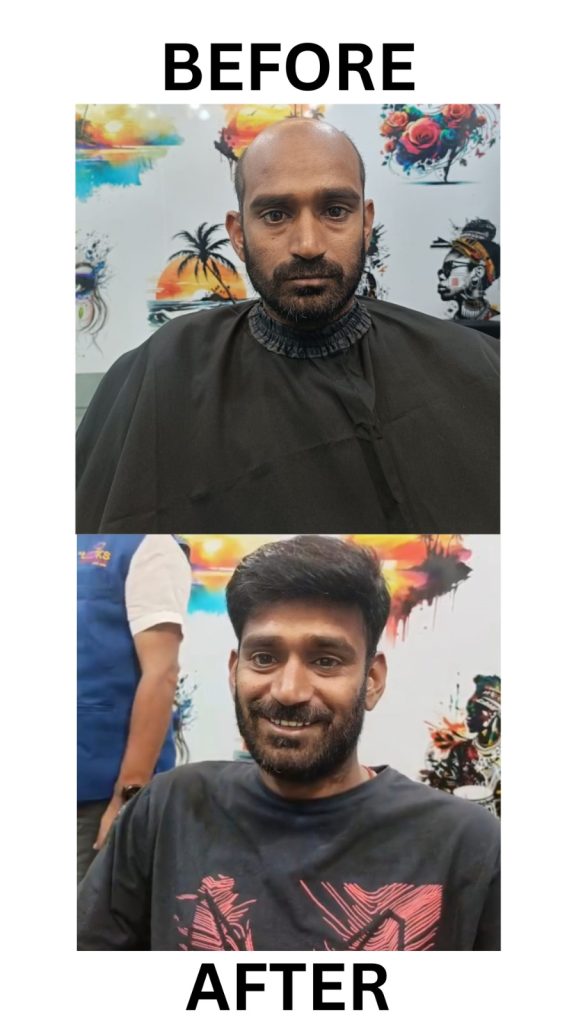
Situation
A client in his early thirties from Hyderabad wanted hair bonding before his brother’s wedding, just five weeks away.
Challenge
He had booked with a budget studio based purely on a discounted price he saw online, without any consultation.
Action
After the first session, the patch edges started lifting within ten days due to a mismatched adhesive for his oily scalp. He then switched to a studio that did a proper consultation first, picked the right density and adhesive, and set up a maintenance schedule.
Result
By the wedding day, the bonding looked completely natural in every photo, and he has stayed on the same maintenance routine since, without a single issue.
Expert Tips for a Smooth Bonding Experience
Do not rush the first consultation. This single step decides almost everything else about how your bonding turns out.
Ask your stylist to walk you through exactly how the hairline will be designed. A natural looking hairline is usually slightly uneven, not a perfectly straight line.
If you sweat a lot or work out regularly, mention this upfront. It changes which adhesive and base type will actually hold up for you.
Keep a simple maintenance calendar on your phone. Missing even one touch up visit can throw off the whole look.
Frequently Asked Questions
How long does hair bonding usually last before a touch up is needed?
Mistakes to Avoid Before Getting Hair Bonding Most bonding sessions last three to four weeks before you need a maintenance touch up, depending on your hair growth rate and lifestyle.
Is hair bonding painful?
No. Hair bonding is completely non surgical and painless since it only involves attaching the patch to your scalp with adhesive.
Can I swim or exercise after getting hair bonding done?
Yes, but you should ask your technician about the right adhesive type if you swim or sweat heavily, since some adhesives handle moisture better than others.
How much does hair bonding cost in India?
Cost varies based on patch quality, density, and studio expertise, so it is best to get a personalized quote after an in person consultation Mistakes to Avoid Before Getting Hair Bonding
Does hair bonding look natural?
Yes, when done by an experienced technician using the right density and base material matched to your hair type.
How is hair bonding different from a hair transplant?
Hair bonding is non surgical and gives instant results using a hair patch, while a transplant involves surgery and takes months to show full results.
Can I choose hair bonding if I have oily scalp?
Yes, but your technician needs to use an adhesive specifically suited for oily scalp conditions to avoid the patch lifting early.
How often should I visit for maintenance after bonding?
Generally every three to four weeks, though your technician will confirm the exact schedule based on your hair and lifestyle.
What is the average lifespan of a hair patch used in bonding?
With proper maintenance, a good quality patch typically lasts between six months to a year before it needs replacement.
Can hair bonding be removed easily if I change my mind?
Yes, hair bonding is temporary and can be removed safely by a professional without damaging your natural hair underneath.
Key Takeaways
- Always get a proper scalp consultation before booking hair bonding
- Choose patch density and base material based on your actual hair type
- Budget for ongoing maintenance, not just the first session
- Never choose a studio purely based on the lowest price
- Verify the technician’s real experience with actual client results
Conclusion
Hair bonding can genuinely change how confident you feel every single day, but only when it is done right. The five mistakes above are the exact reasons people end up disappointed with a service that, done properly, actually works beautifully.
Take your time with the consultation. Ask the uncomfortable questions about pricing and experience. Your hairline is worth that extra effort.
CTA
If you are considering hair bonding and want to avoid these mistakes altogether, book a proper consultation with a studio that actually takes the time to understand your hair and scalp first. That one decision makes all the difference in how natural and long lasting your results will be.