
A guy walks into a budget hair replacement studio because the quote is half of what everywhere else charges. Six months later he is back to square one, money gone, hairline looking worse than before he started, and now he needs to spend again just to fix what the cheap system did to his scalp.
This happens more often than people admit. Not because non-surgical hair replacement does not work. It works brilliantly when it is done right. The problem is the word cheap almost never means good value. It usually means corners were cut somewhere you cannot see until it is too late.
Table of Contents
ToggleIntroduction
Non-surgical hair replacement, sometimes called hair patch, hair bonding, or hair systems, has become one of the most popular ways to deal with hair loss without going under the knife. No surgery, no long recovery, and results you can see the same day you walk out of the studio.
But there is a version of this industry that runs entirely on price competition. Studios undercutting each other, using low grade materials, rushing the fitting process, and skipping the maintenance education that actually keeps a hair system looking natural for months.
In this post we are going to break down what cheap non-surgical hair replacement actually costs you in the long run, why the sticker price is misleading, and how to tell the difference between a studio that is genuinely affordable and one that is just cutting corners. If you are researching this for yourself, this is the kind of information that saves you both money and a lot of frustration.
Quick Answer
Cheap non-surgical hair replacement usually costs more over time because of poor quality hair systems, weak bonding methods, frequent replacements, scalp irritation, and unnatural results that need correction. A system priced at Rs 8,000 to Rs 15,000 that fails in two months ends up costlier than a properly fitted Rs 25,000 to Rs 40,000 system that lasts six to twelve months with proper maintenance.
What Is Non-Surgical Hair Replacement?
Non-surgical hair replacement is a method of covering hair loss using a custom made hair system, essentially a thin base with real or synthetic hair attached, that is fixed onto the scalp using adhesive, tape, or clips. Unlike a wig you can take off casually, a properly bonded system stays on for weeks and blends into your natural hair.
Think of it like this. A tailor made shirt fits your body because someone actually measured you. A cheap system works the same way in reverse, it is made to fit an average scalp shape, not yours specifically. That difference shows up the moment you sweat, sleep, or run your fingers through your hair.
A real example. Someone with a receding hairline and thinning crown gets a system that covers both areas, matched to their natural hair color and density. Done properly, friends cannot tell the difference. Done cheaply, the parting looks flat, the color is slightly off, and the edges lift within weeks.
Why Is It Important?
Getting this right matters because hair sits right on your face. People notice it before anything else. A bad hair system does not just fail to help, it actively draws attention in the wrong way.
There is also the money angle. Someone who goes cheap and has to redo it every two to three months ends up spending more in a year than someone who invested once in a quality system with proper aftercare. And there is the scalp health angle too, since poor quality adhesives and rushed application can cause irritation, infections, and hair breakage on whatever natural hair you still have.
Complete Guide: What Actually Goes Wrong With Cheap Systems
The Base Material Problem
What It Means The base is the thin membrane the hair strands are attached to. Cheap systems use thicker, stiffer poly bases or low grade lace that does not sit flush against the scalp.
Why It Matters A thick base is visible at the hairline, especially in daylight or under phone camera flash. It also breathes poorly, which means more sweating and faster adhesive failure.
How To Do It Right Ask specifically what base material is being used. Skin poly, French lace, or Swiss lace bases in the right thickness give a much more natural scalp appearance and better ventilation.
Example A client in Hyderabad who switched from a poly base system to a thin skin base one said the difference was night and day, not because the hair changed, but because the base finally disappeared into his scalp tone.
Pro Tip If a studio cannot tell you the exact base material and thickness they are using, that is already a warning sign.
The Bonding and Adhesive Shortcut
What It Means Bonding is how the system attaches to your scalp, whether through tape, glue, or a combination method depending on your lifestyle and sweat levels.
Why It Matters Cheap adhesives lose grip faster in humid weather, which is a real issue in cities like Vizag and Hyderabad during summer. Weak bonding also means the edges lift first, and lifted edges are the number one giveaway that someone is wearing a system.
How To Do It Right A good studio asks about your daily routine, sweating levels, and even whether you swim or exercise regularly, before recommending an adhesive type. There is no one size fits all bonding method.
Example Someone who works outdoors and sweats heavily needs a stronger, medical grade adhesive with a shorter bonding cycle, not the same tape used for someone who mostly sits in an air conditioned office.
Pro Tip Ask how often the bonding needs to be redone. If the answer is vague, they probably have not thought this through for your specific case.
The Density and Hair Matching Shortcut
What It Means Density refers to how much hair is knotted per square inch, and matching means getting the color, texture, and direction of growth similar to your natural hair.
Why It Matters Too much density looks like a wig. Too little looks patchy. Wrong color matching is the fastest way for people to notice something is off, even if they cannot pinpoint what.
How To Do It Right A proper studio takes your natural hair sample, checks it under different lighting, and customizes density zone by zone, since your crown, temples, and hairline never have the same density naturally.
Example A client from Vizag initially got a system with uniform density everywhere. It looked artificially thick. After a redo with zone specific density, it matched his natural hair pattern and looked far more believable.
Pro Tip If a studio shows you the exact same density sample for every single client, they are not customizing, they are mass producing.
The Aftercare Education Gap
What It Means Aftercare includes washing technique, product recommendations, and knowing when to come back for maintenance or reapplication.
Why It Matters Even the best system fails early if you wash it wrong, use harsh shampoo, or ignore signs that the bond is weakening. This is the part cheap studios skip most, because proper aftercare guidance takes time they are not billing for.
How To Do It Right Ask for a written or verbal aftercare routine, including how often to wash, what products to avoid, and when your next maintenance visit should be scheduled.
Example Two clients get the exact same system. One follows a proper washing and maintenance schedule and gets eight months out of it. The other, with zero guidance, is back within ten weeks with a damaged system.
Pro Tip If a studio does not schedule a follow up appointment before you even leave, that tells you how seriously they take long term results.
Common Mistakes People Make
Mistake: Choosing purely on price
Impact: You end up paying for multiple redos, which costs more than one quality installation.
Solution: Compare studios on process and materials first, then use price as the tiebreaker between two similarly qualified options.
Mistake: Not asking about the source of the hair
Impact: Synthetic or low grade human hair tangles fast, loses shine, and does not blend with your natural hair texture.
Solution: Ask directly whether it is Indian human hair, European hair, or synthetic, and choose based on your budget and expectations honestly.
Mistake: Skipping the trial or consultation step
Impact: You get a system that does not match your face shape, hair growth direction, or lifestyle.
Solution: Insist on a proper consultation where they study your natural hairline and recommend a system based on your actual needs.
Mistake: DIY reapplication to save money
Impact: Improper bonding at home leads to patchy attachment and scalp irritation.
Solution: Stick to professional reapplication schedules, even if it costs a bit more, since scalp health issues cost far more to fix later.
Best Practices
Choose a studio based on transparency, not just price. A good studio explains exactly what base, hair type, and bonding method they are using and why.
Ask to see real client results, not just stock photos. Genuine before and after images, ideally with the client’s consent to show their face, tell you far more than marketing claims.
Budget for maintenance from day one. A system is not a one time purchase, it is closer to a subscription that needs regular care to keep looking natural.
Get a written breakdown of costs, including reapplication charges, so there are no surprises three months in.
Tools and Resources
| Factor | Budget Studio | Mid Range Studio | Premium Studio |
|---|---|---|---|
| Base Material | Thick poly | Skin poly or basic lace | Fine skin poly, French or Swiss lace |
| Hair Type | Synthetic or mixed | Indian human hair | European or premium Indian human hair |
| Bonding Method | Generic tape | Tape with some customization | Fully customized based on lifestyle |
| Aftercare Guidance | Minimal or none | Basic instructions | Detailed routine with scheduled follow ups |
| Approximate Cost (India) | Rs 6,000 to Rs 12,000 | Rs 18,000 to Rs 30,000 | Rs 35,000 and above |
| Typical Lifespan | 6 to 10 weeks | 3 to 5 months | 6 to 12 months with maintenance |
Real Life Example
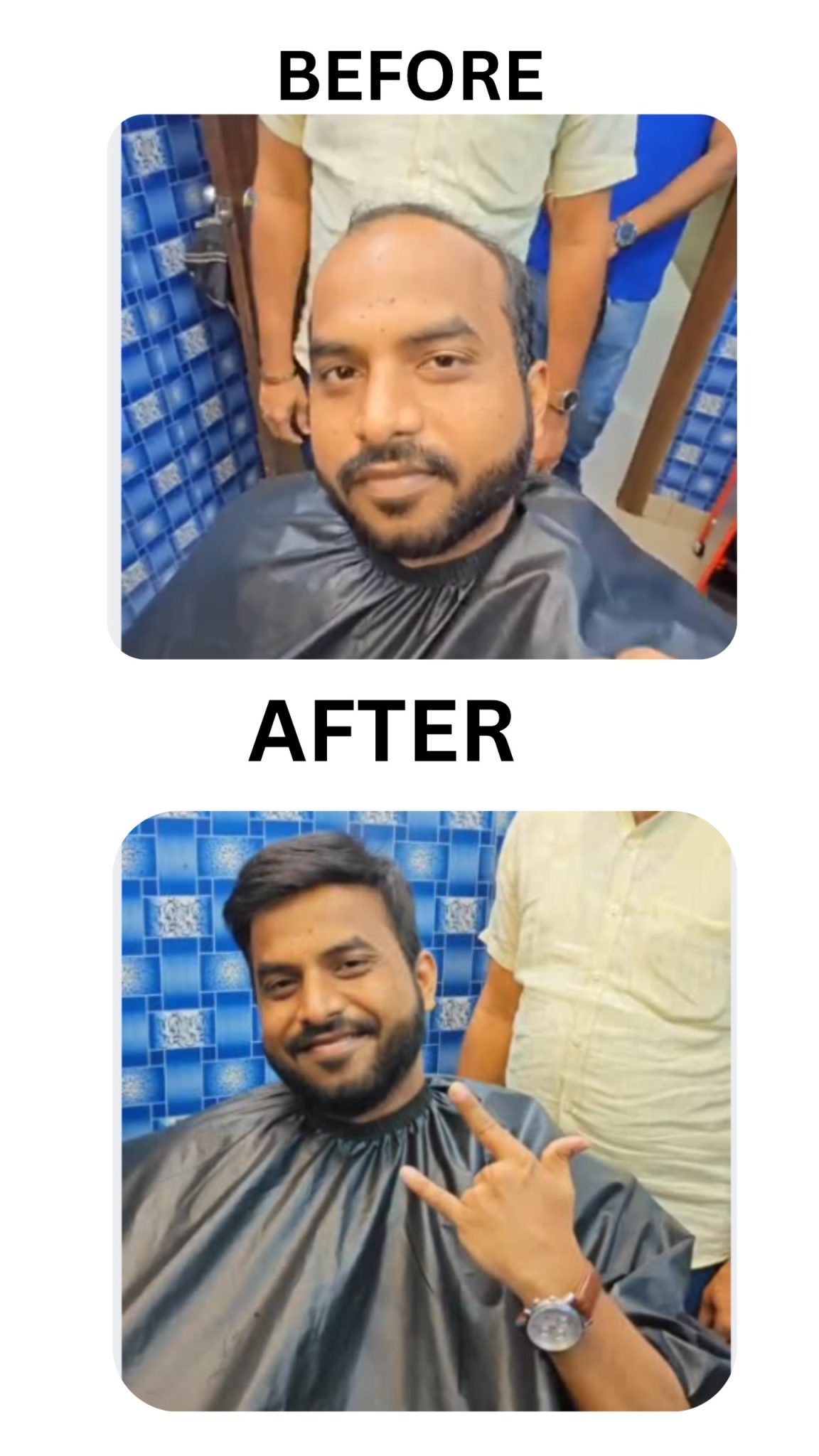
Situation A client in his early thirties from Hyderabad had been dealing with crown thinning for three years. He went with the cheapest studio he could find, drawn in by an offer price that felt too good to skip.
Challenge Within two months, the edges of his system started lifting, especially during humid days. The color had also faded unevenly, making the parting look patchy and obvious.
Action He came to a studio that actually took time to assess his scalp, recommended a thinner skin base suited to his sweat levels, and matched the hair color in three different lighting conditions before finalizing.
Result The new system lasted close to nine months with proper maintenance visits every six weeks. He ended up spending more per system but far less overall once you account for how long it lasted compared to constant redos.
Expert Tips
Ask your studio how they handle scalp allergies before your first appointment, not after a reaction happens. A patch test should be standard practice, not an afterthought.
If you are in a humid coastal city, factor that into your adhesive choice. What works in a dry climate studio’s default recommendation might not hold up the same way here.
Do not judge a studio purely on their Instagram page. Some of the best studios have modest online presence but excellent hands on work, while some heavily marketed pages cut corners you only discover after paying.
Frequently Asked Questions
Is non-surgical hair replacement permanent?
No, it is not permanent. It requires periodic maintenance and reapplication, typically every four to eight weeks depending on the bonding method and your lifestyle.
How much does a good non-surgical hair replacement system cost in India?
Quality systems typically range from Rs 18,000 to Rs 40,000 depending on hair type, base material, and studio expertise, with additional maintenance costs every few weeks.
Can I sweat, swim, or exercise with a hair system?
Yes, but you need the right bonding method chosen specifically for your activity level. A studio should ask about your routine before recommending an adhesive.
How long does a cheap hair system actually last?
Most budget systems start showing visible wear within six to ten weeks, often needing replacement rather than simple maintenance.
Does non-surgical hair replacement damage natural hair?
Poor quality adhesives and rushed application can cause damage to existing hair, while properly done systems with correct aftercare generally do not harm natural hair underneath.
What is the difference between hair bonding and hair weaving?
Bonding uses adhesive to attach the system directly to the scalp, while weaving involves sewing the system onto existing natural hair, which requires you to have enough natural hair left to work with.
Can a hair system look completely natural?
Yes, when the base, density, and color are properly matched to your natural hair and scalp, a good system can be virtually undetectable, even up close.
How often should I visit the studio after getting a system?
Most studios recommend maintenance visits every four to six weeks for cleaning, reapplication, and checking the condition of both the system and your scalp.
Is human hair better than synthetic hair for these systems?
Human hair blends more naturally, lasts longer, and can be styled with heat tools, while synthetic hair is cheaper but tends to look less natural and wears out faster.
What should I check before choosing a hair replacement studio?
Check their consultation process, the transparency about materials used, real client results, and whether they provide a clear aftercare and maintenance plan before you commit.
Key Takeaways
- Cheap non-surgical hair replacement often costs more over time due to frequent replacements and redos
- Base material, hair source, and bonding method are the three biggest factors that separate quality studios from budget ones
- Proper consultation and color matching prevent the most common giveaway signs of a hair system
- Aftercare and maintenance schedules matter as much as the initial installation
- Humid climates need specific adhesive choices, which many budget studios do not account for
- A slightly higher upfront cost with a longer lifespan usually works out cheaper than repeated budget installations
Conclusion
Non-surgical hair replacement can genuinely change how confident you feel day to day, but only when it is done by people who actually understand the process, not just the price war happening in the industry right now. The cheapest option rarely stays cheap once you add up the redos, the damage control, and the time wasted on a system that never looked right in the first place.
CTA
If you are considering non-surgical hair replacement and want an honest assessment of what will actually work for your hair, scalp, and lifestyle, book a consultation with a studio that takes the time to explain their process instead of just quoting a price. Your hairline deserves more than a guess.