
You’ve probably typed non surgical hair replacement into Google at midnight, scrolled through a dozen confusing opinions, and closed the tab feeling more lost than when you started
That’s normal. This industry has a trust problem, and most of it comes from old stories that never got updated. Someone’s uncle wore a bad toupee in 2005, and now the whole category gets judged by that one memory.
So let’s clear the air. We work with hair replacement studios across Hyderabad and Vizag every week, and the questions clients ask before their first consultation are almost always built on the same handful of myths. Time to take those apart one by one Top 7 Myths About Non Surgical Hair Replacement
Non surgical hair replacement has quietly become one of the most requested solutions for hair loss in India, especially among men between 25 and 45 who want results without surgery, downtime, or a six month wait to see if it worked.
But the myths around it haven’t kept pace with how good the technology actually is. People still picture stiff wigs and visible edges, when the reality is custom made systems that move with your scalp and pass for natural hair even up close.
In this guide, we’re going to walk through the seven biggest myths that stop people from even booking a consultation, explain what’s true and what’s outdated, and give you a clear picture of what modern non surgical hair replacement actually involves. By the end, you’ll know exactly what questions to ask before choosing a studio.
Table of Contents
ToggleTop 7 Myths About Non Surgical Hair Replacement
Non surgical hair replacement is a method of restoring hair using a custom made hair system that’s bonded, taped, or clipped onto the scalp without any cuts or surgery. Modern systems use natural looking hair, breathable bases, and skin safe adhesives, which makes most of the common myths about visibility, damage, and permanence simply outdated.
What Is Non Surgical Hair Replacement?
In plain terms, it’s a hair patch or hair system made from human hair or high quality synthetic fiber, attached to your scalp using a thin, skin coloured base. No incisions. No grafting. No recovery period.
The base sits flush against your scalp and the hair is woven through it strand by strand, so from a few feet away, and honestly even up close once it’s done right, it looks like hair growing naturally from your head.
A simple example: a 32 year old marketing executive losing hair at the crown doesn’t want to wait two years for a transplant to mature. He gets a custom system matched to his hair colour, density, and hairline shape. He walks out the same day with a full head of hair, and nobody at his office notices anything except that he suddenly looks ten years younger.
That’s the entire pitch of non surgical hair replacement. Immediate results, reversible if you change your mind, and zero surgical risk.
Why People Still Believe Outdated Myths
Most of what people “know” about hair systems comes from decades old toupees, low budget local vendors who cut corners, or one bad photo they saw online of a poorly maintained system.
The technology has moved fast, but public perception hasn’t caught up. Bases are thinner now. Adhesives last longer and breathe better. Hair matching has gotten so precise that colourists can blend grey strands individually if needed.
Believing the myths costs people years of unnecessary hair loss anxiety, money wasted on temporary fixes like sprays and concealer powders, and in some cases, confidence they never get back during their most active years. That’s why busting these myths actually matters, not just as marketing copy, but for real decisions people are putting off.
Myth 1: Non Surgical Hair Replacement Looks Obviously Fake
This is the myth that stops more people than any other. They picture a flat, shiny patch sitting on top of their head like a hat.
Reality looks nothing like that anymore. A properly fitted system uses a French lace or skin base that mimics scalp colour and lets light pass through the way real skin does. The hairline is hand knotted strand by strand at irregular angles, which is exactly how natural hairlines grow, never in a straight clean line.
We’ve seen clients walk into family weddings, gym sessions, and job interviews wearing a system, and not one person noticed unless they were told. The giveaway in old wigs was always the base and the hairline. Both have been solved with better materials and better craftsmanship.
The catch is quality varies a lot between providers. A rushed, cheap system from an unverified vendor can absolutely look off. That’s a studio problem, not a technology problem.
Myth 2: It's Only For Older Men Going Bald
Walk into any hair studio in Hyderabad and you’ll see men in their twenties and thirties making up a big chunk of the client base, not retirees.
Hair loss patterns have shifted younger because of stress, diet, pollution, and genetics kicking in earlier than they used to. A college student dealing with early crown thinning has very different needs than a 55 year old, and modern systems are built with that in mind, lighter bases, more natural movement, styles that match current trends rather than the slicked back looks from older generations.
There’s also a vanity factor nobody talks about enough. Younger men care more about dating, social media, and how they look on camera than ever before. Non surgical hair replacement fits that lifestyle because it gives instant, photo ready results without surgery scars or a recovery period that would mean missing weeks of normal life.
Myth 3: It Damages Your Real Hair And Scalp Underneath
This one has some truth buried in it, which is exactly why the myth spreads so easily. Poorly fitted systems, applied too tight or left on too long without proper cleaning, can cause irritation, traction on remaining hair, or scalp issues.
But that’s a maintenance and application problem, not something inherent to the method. A well fitted system from a trained technician uses breathable bases and proper bonding techniques that don’t pull on existing hair follicles. Many clients actually report their remaining natural hair stays healthier, because they stop using harsh styling products and heat tools to hide thinning spots.
The real rule here is simple. Choose a studio that insists on regular maintenance visits, proper cleaning routines, and won’t let a system stay attached for weeks without removal. That’s where the actual risk lives, not in the technology itself.
Myth 4: Once You Start, You Can Never Stop
People worry this is a one way door, that committing to a hair system locks them in forever with no exit.
It’s actually one of the most reversible hair loss solutions available. Unlike a transplant, which is permanent surgery, you can remove a non surgical system any time you want. Stop going to appointments, stop reordering systems, and you’re back to your natural hair, whatever stage it’s at.
Some clients use it as a long term solution. Others use it for a specific season of life, a wedding, a new job, a few years while they explore other treatments. The flexibility is actually one of its biggest advantages over surgical options, and it’s strange that this gets framed as a downside.
Myth 5: It's Basically The Same Old Toupee From Before
If your only reference point is a toupee from a 1990s sitcom, of course this myth feels true. But comparing today’s hair systems to old toupees is like comparing a smartphone to a landline.
Old toupees used thick, stiff bases that sat visibly on top of the head with a hard edge you could spot from across a room. Today’s systems use micro thin polyurethane or lace bases, individually knotted hair, and custom colour matching down to your exact greys and highlights.
The attachment methods changed too. Old toupees often used clips or basic glue that came loose easily. Modern bonding uses medical grade adhesives or tape systems designed to handle sweating, swimming, and daily wear without shifting.
Calling a modern hair system a toupee is like calling a Tesla a horse cart because they both have wheels.
Myth 6: You Can't Swim, Sweat, Or Sleep Normally With It
This myth probably keeps more gym goers and swimmers away from hair systems than anything else on this list.
Most modern bonding methods are built specifically to handle exactly this. Skin adhesives used in quality systems are waterproof and sweat resistant, which means a normal workout, a swim, or even a humid Hyderabad summer day won’t cause it to lift or shift. Plenty of clients wear theirs to the gym daily and sleep in them without issue, depending on the attachment method chosen.
There are different bonding options for different lifestyles though. Someone who swims competitively or sweats heavily every day might choose a different adhesive strength or removal schedule than someone with a desk job. A good consultation covers this upfront so you’re matched to a system that fits your actual routine, not a generic one size fits all setup.
Myth 7: It's Too Expensive To Maintain Long Term
People hear “monthly maintenance” and assume it means a luxury expense only the wealthy can sustain.
When you actually break down the cost, it’s often comparable to what people already spend on hair loss sprays, expensive shampoos, supplements, and the styling products used to hide thinning areas, except this time the money is buying a visible result instead of hope.
Maintenance typically includes periodic cleaning, reattachment, and system replacement every few months depending on wear. Studios usually offer packages that make this predictable rather than surprising. Compare that to the actual cost of a hair transplant, which can run several times higher upfront with no guarantee of full density, and the long term math often favours non surgical options for a lot of people.
Common Mistakes People Make When Exploring This Option
One mistake is choosing the cheapest provider available without checking their actual work. A bargain system from an unverified vendor often uses lower grade hair and bases, which is exactly what creates the bad experiences that feed these myths in the first place.
Another mistake is skipping the consultation and trying to order something based on photos alone. Hair colour, density, hairline shape, and scalp tone all vary person to person. A system that looks great on someone else’s head can look completely wrong on yours if it wasn’t custom matched.
A third mistake, and this one’s easy to miss, is ignoring the maintenance schedule once the system is attached. Treating it like a one time purchase rather than an ongoing relationship with your stylist is how good systems start looking tired and obvious within a few months.
Best Practices Before You Choose Non Surgical Hair Replacement
Ask to see real client results in person, not just polished photos on a website. A reputable studio will happily show you work they’ve done for other clients, ideally people with a similar hair type to yours.
Get a proper scalp and hair analysis before anything is ordered. This determines base type, density, and the right attachment method for your lifestyle, whether that’s heavy gym use, swimming, or a more relaxed routine.
Ask directly about the maintenance schedule and total cost over a full year, not just the price of the first system. This is the number that actually matters for deciding if it fits your budget long term.
Non Surgical Hair Replacement vs Other Options
| Factor | Non Surgical Hair Replacement | Hair Transplant Surgery | Topical Treatments |
|---|---|---|---|
| Downtime | None, results same day | One to two weeks recovery | None |
| Visible results | Immediate | Six to twelve months to mature | Gradual, often limited |
| Reversible | Yes, fully | No, permanent | Yes |
| Upfront cost | Moderate | High | Low |
| Ongoing cost | Regular maintenance required | None after healing | Continuous, indefinite |
| Best suited for | Quick results, flexible commitment | Long term permanent solution | Mild, early stage thinning |
A Real Pattern We See Often
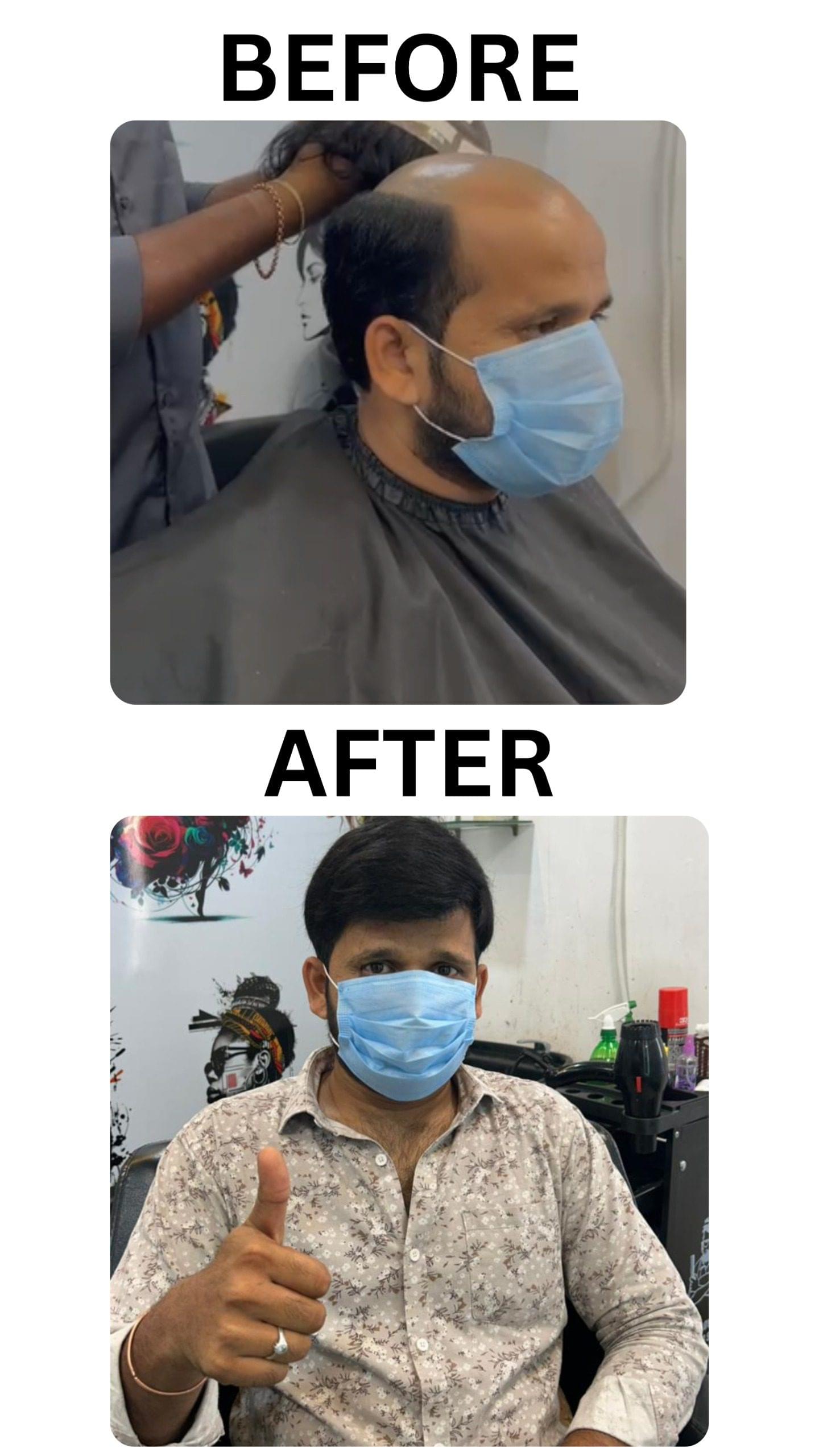
Take a client we’ll call Ravi, a 34 year old IT professional from Hyderabad, a common type of case our partner studios handle regularly. He’d been losing hair at the crown for about three years and tried every spray, oil, and supplement on the market with barely any change.
He was hesitant about non surgical hair replacement because of exactly the myths covered above, worried it would look fake or that his colleagues would somehow find out. After a proper consultation and a custom matched system, he wore it to work the following week.
Nobody at his office noticed anything different except comments that he looked “refreshed.” Within a month he was back to swimming on weekends without a second thought about the system shifting. The result wasn’t surgery level permanence, but it solved the actual problem he had, which was wanting to look and feel like himself again without waiting years for a transplant to grow in.
Expert Tips For Getting The Best Results
Match your system to your actual hair growth pattern, not just the colour. Density and direction matter just as much for a natural look, and a skilled technician will study how your remaining hair grows before finalizing the design.
Rotate between two systems if you wear yours daily. This gives each one time to be properly cleaned and maintained, which extends the life of both and keeps the hairline looking sharp instead of worn down from constant daily wear on a single piece.
Build a relationship with one trusted technician rather than switching studios every few months. Consistency in maintenance is where most of the long term quality difference actually comes from
Is non surgical hair replacement permanent?
No, it’s fully reversible. You can stop using it at any time and return to your natural hair without any lasting changes to your scalp.
How long does a non surgical hair system last?
Most systems last between three to six months with proper maintenance before needing replacement, depending on how often you wear it and how well it’s cared for.
Can I swim and exercise with a hair system attached?
Yes, most modern bonding methods are designed to handle sweat and water without lifting, though the exact attachment method should match your activity level.
Does non surgical hair replacement damage existing hair?
Properly fitted systems applied and maintained correctly do not damage existing hair. Issues typically arise from poor application or lack of regular maintenance.
How much does non surgical hair replacement cost in India?
Costs vary by studio and system quality, but most clients budget for both an initial system and ongoing monthly maintenance, similar in total to what they’d otherwise spend on other hair loss products.
Will people be able to tell I'm wearing a hair system?
With a well matched, properly fitted system from a skilled technician, it’s extremely difficult for others to notice, especially with modern lace and skin base materials.
What's the difference between hair bonding and hair patches?
Hair bonding refers to the adhesive method used to attach the system, while hair patches refer to the system itself. They work together as part of the same overall process.
Can women use non surgical hair replacement too?
Yes, women experiencing thinning or hair loss use customized systems as well, often designed with different base shapes suited to typical female hairlines and parting styles.
Is non surgical hair replacement better than a hair transplant?
Neither is universally better. Non surgical options offer immediate, reversible results with ongoing maintenance, while transplants are permanent but require surgery and a long growth period.
Key Takeaways
Non surgical hair replacement has moved far beyond the stiff, obvious toupees people remember from decades ago.
- Modern systems use breathable, skin matched bases that look natural even up close
- It’s available and increasingly popular among younger men, not just older clients
- The method is fully reversible, unlike surgical hair transplants
- Proper maintenance prevents the scalp and hair issues that fuel the damage myth
- Swimming, sweating, and daily gym use are manageable with the right adhesive choice
- Long term costs are often comparable to other hair loss products people already buy
- Quality depends heavily on choosing a skilled, reputable studio over the cheapest option
Conclusion
Most of what stops people from trying non surgical hair replacement isn’t the technology itself, it’s outdated stories that never got updated. The systems available today are custom matched, reversible, and built to handle real life, gym sessions, swimming, sweat, and all.
If hair loss has been quietly affecting your confidence and you’ve been holding back because of one of these myths, it might be worth finding out what an actual consultation looks like before ruling it out.
What To Do Next
If you’re considering non surgical hair replacement, start with a proper consultation rather than guessing based on old assumptions. A good studio will assess your scalp, match a system to your actual hair, and walk you through honest maintenance costs so you know exactly what you’re choosing before committing to anything.